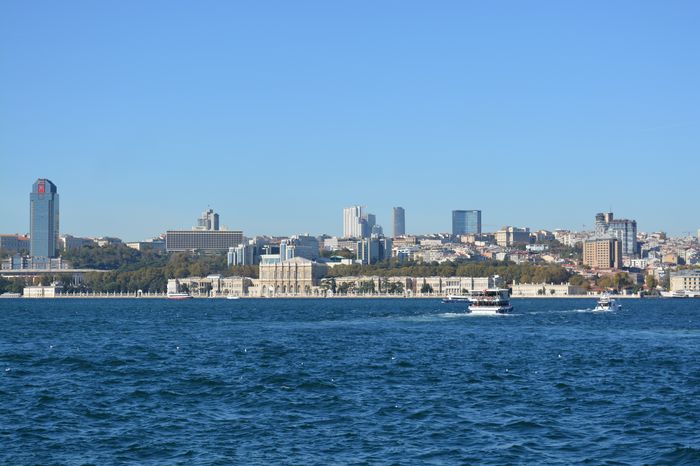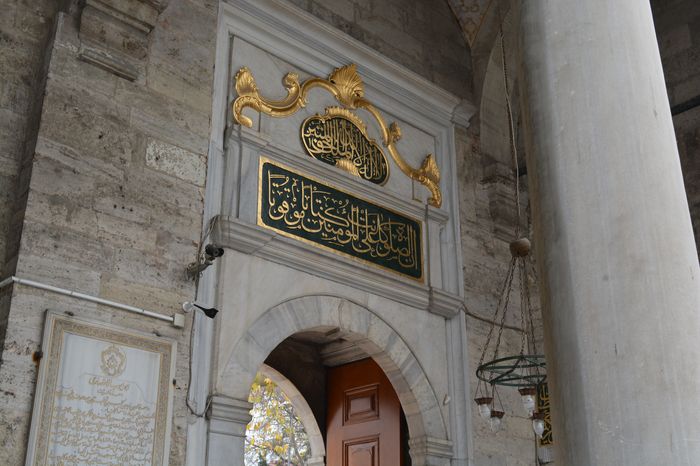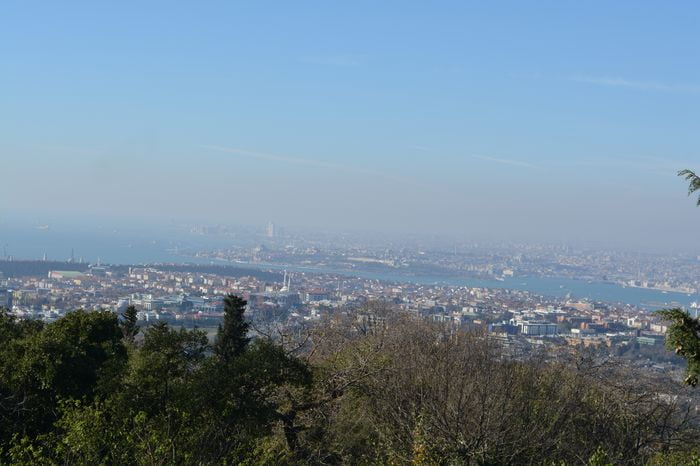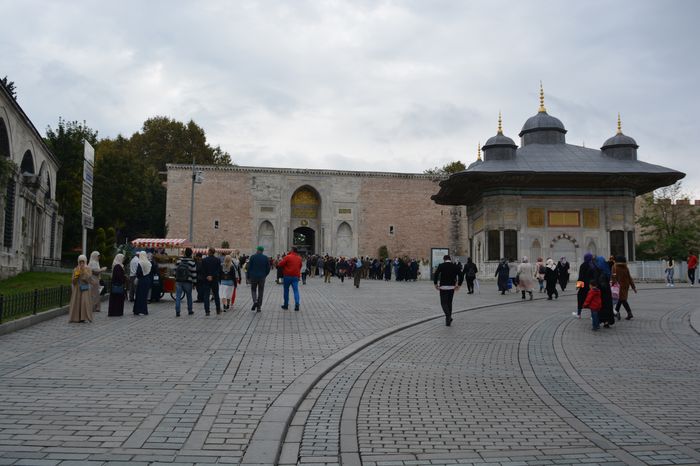
A low whistle announced the arrival of John Zimisces and his accomplices to their allies, who were watching from the terrace of the Bucoleon Palace. In response, a basket, suspended by ropes, was carefully lowered and raised several times. One by one, the conspirators were lifted to the top of the palace. Zimisces himself was the last to ascend Sightseeing Tour Turkey.
The traitors then made their way to the apartment where they expected to find Emperor Nicephorus Phocas. The emperor, however, had received some warning and was not in his usual chamber. The conspirators, fearing their plan had been discovered, considered jumping into the sea to escape. At that moment, a eunuch appeared and led them to the room where the emperor lay sleeping. He rested on a leopard skin, covered with a scarlet wool blanket. Without hesitation, the conspirators awakened him and struck him down as he prayed, “Lord, have mercy upon me.”
Ironically, this attack occurred on the very day the palace fortifications had been completed. Following the assassination, guards were posted at night along the quay of the Harbour of the Bucoleon to prevent unauthorized boats from approaching the shore. The event illustrates the palace’s combination of luxury, strategic location, and vulnerability to political intrigue.
Alexius Comnenus at the Bucoleon
After the deposition of Nicephorus Botoniates, Alexius Comnenus entered the Great Palace. He left his young wife and her close family in the shore residence, while he and his own family moved to the higher palace. This arrangement reflects the separation of living spaces within the Bucoleon complex and its use as a residence for multiple imperial families.
In 1170, the Bucoleon Palace also served as the point of arrival for foreign dignitaries. Amaury, King of Jerusalem, landed here during his visit to Emperor Manuel Comnenus to seek aid against Saladin. William of Tyre records that access to the palace by landing was normally reserved for the emperor alone. However, Amaury was granted special permission and was welcomed by the palace’s high officers. From the quay, he was conducted through a series of galleries and halls, each displaying a variety of architectural styles, to the elevated palace where Manuel and the senior officials awaited him Walls Surrounding the Bucoleon Palaces.
The Strategic and Ceremonial Role of the Bucoleon
These episodes highlight the dual purpose of the Bucoleon Palace and Harbour. Militarily, the palace was fortified, with controlled access from the sea, yet political plots could still penetrate its defenses. Ceremonially, it served as a prestigious reception point for important guests and emissaries, allowing them to arrive by water in a manner befitting the emperor’s status. The combination of defensive measures, architectural grandeur, and strategic location made the Bucoleon an essential center of Byzantine political and ceremonial life.